Spine Surgeon in Fort Wayne, Indiana
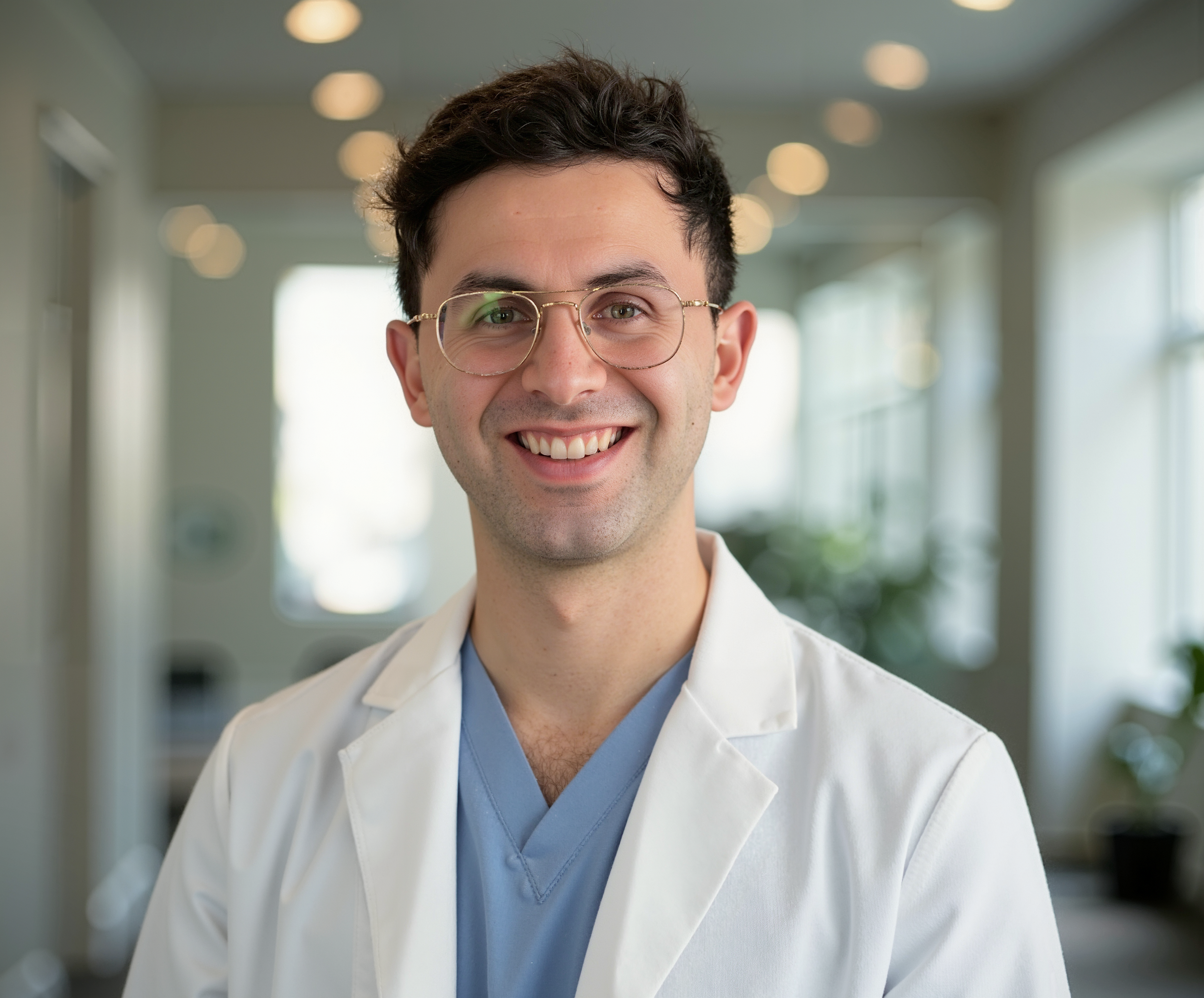
Dr. Marc Greenberg is Fort Wayne's fellowship-trained spine surgeon specializing in minimally invasive techniques. With elite training from Mayo Clinic, Johns Hopkins Hospital, and Brown University, Dr. Greenberg brings rare expertise in endoscopic spine surgery, robotic-assisted procedures, and motion preservation to Northeast Indiana and Northwest Ohio through the Parkview Health network.
His evidence-based approach prioritizes patient education and conservative treatment first. Surgery is recommended only when conservative care fails and imaging confirms a correctable structural problem. Opening August 2026.
Why Patients Choose Dr. Greenberg
Elite training, advanced techniques, and a patient-centered philosophy set Dr. Greenberg apart as Fort Wayne's premier spine surgeon.
Elite Fellowship Training
Dr. Greenberg's training pathway is exceptionally rare in spine surgery. He earned his medical degree from Mayo Clinic, completed his orthopedic surgery residency at Johns Hopkins Hospital, and pursued advanced fellowship training in complex spine and minimally invasive surgery at Brown University.
Most spine surgeons complete one fellowship. Training at three world-renowned institutions provides Dr. Greenberg with an unusually comprehensive skill set and exposure to the most advanced techniques in spine surgery.
Minimally Invasive Expertise
Dr. Greenberg specializes in advanced minimally invasive techniques using incisions under 1 inch. His expertise includes endoscopic spine surgery and robotic-assisted procedures with the Globus ExcelsiusGPS system.
Benefits of minimally invasive surgery:
- Less blood loss and tissue damage
- Reduced post-operative pain
- Faster recovery times
- Many procedures performed outpatient
Motion Preservation Focus
Not every spine problem requires fusion surgery. Dr. Greenberg specializes in motion preservation techniques, including cervical disc replacement, which preserves natural neck movement rather than eliminating it.
His philosophy: surgery should restore function and return patients to active, fulfilling lives—not just eliminate pain. When fusion is necessary, Dr. Greenberg uses the least invasive approach possible to achieve lasting stability.
Conditions We Treat
Dr. Greenberg treats the full spectrum of spine conditions affecting adults in Northeast Indiana, from common disc herniations to complex revision cases.
Procedures Offered
Dr. Greenberg's minimally invasive-first approach means he uses the least invasive technique proven effective for your specific condition.
Serving Fort Wayne and Northeast Indiana
Dr. Greenberg welcomes patients from throughout Allen County and the surrounding region, including Warsaw, Auburn, Angola, Kendallville, Huntington, Wabash, Bluffton, Columbia City, Decatur, and Goshen.
He also serves patients from Northwest Ohio, including Bryan, Defiance, and Montpelier.
As part of the Parkview Health network, Dr. Greenberg offers convenient access to advanced spine care with the resources of one of Indiana's leading healthcare systems.
Fast Access to Care
New patient appointments typically available within 7 days.
What to Expect at Your First Visit
A thorough consultation focused on understanding your unique situation and exploring all treatment options.
Comprehensive Review
Dr. Greenberg personally reviews all imaging (MRI, CT, X-rays) before your appointment to come prepared with specific insights about your condition.
Physical Examination
A detailed physical exam helps correlate your symptoms with imaging findings to determine the true source of your pain.
Honest Conversation
Dr. Greenberg explains your diagnosis in clear language and discusses all treatment options—including conservative approaches. There is never pressure for surgery.
Shared Decision-Making
Treatment decisions are made collaboratively. Your goals, lifestyle, and preferences guide the recommendation, not a one-size-fits-all approach.
Frequently Asked Questions
Common questions from patients considering spine surgery in Fort Wayne.
Do I need a referral to see a spine surgeon in Fort Wayne?
Most insurance plans don't require referrals to see a spine specialist. We verify coverage before your visit to ensure there are no unexpected costs.
How do I know if I need spine surgery?
Most back and neck pain improves without surgery through conservative treatments like physical therapy, medications, and injections. Surgery is recommended only when conservative treatment fails and imaging confirms a correctable structural problem causing your symptoms.
What is recovery time for minimally invasive spine surgery?
Most patients return to light activities in 2-4 weeks after minimally invasive spine surgery. Many procedures are performed on an outpatient basis, meaning you go home the same day. Recovery is typically faster than traditional open surgery due to smaller incisions and less muscle disruption.
Does Dr. Greenberg offer second opinions?
Yes. If you've been told you need spine surgery, Dr. Greenberg provides thorough second-opinion consultations with an honest assessment of all your treatment options, including non-surgical alternatives.
Ready to Explore Your Options?
Back and neck pain shouldn't control your life. Schedule a consultation to discuss your treatment options with Dr. Greenberg.