Spinal Stenosis Treatment
Advanced treatment for spinal stenosis using minimally invasive techniques. Dr. Greenberg specializes in precise decompression procedures to relieve nerve pressure and restore mobility.
Experiencing symptoms of spinal stenosis?
Schedule a consultation with Dr. Marc Greenberg to explore minimally invasive options.
Schedule Consultation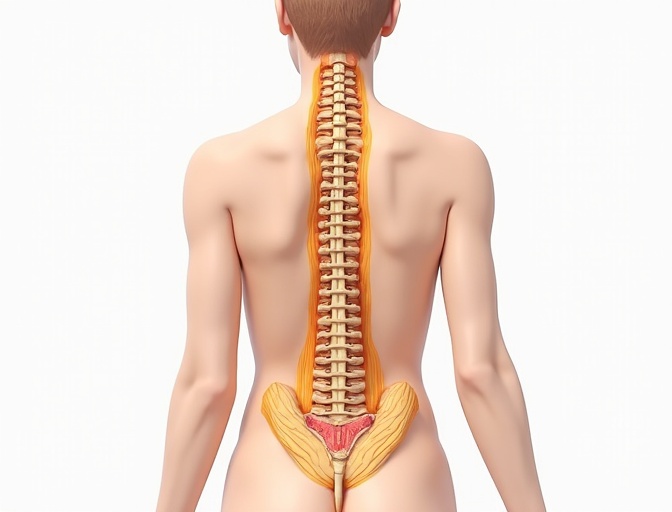
Spinal stenosis is a narrowing of the spinal canal that puts pressure on the spinal cord and nerves. This condition most commonly affects the lumbar (lower back) and cervical (neck) regions of the spine. As the spinal canal narrows, it can compress neural structures, leading to pain, numbness, and weakness that can significantly impact your quality of life.
At Greenberg Spine, we understand that spinal stenosis can be debilitating, especially when it affects your ability to walk or perform daily activities. Our comprehensive approach combines advanced diagnostic techniques with minimally invasive treatment options to provide effective relief while preserving spinal stability.
Symptoms
Neurogenic Claudication
Leg pain, cramping, or weakness that occurs when walking and improves with sitting or leaning forward.
Numbness and Tingling
Loss of sensation or pins-and-needles feeling in the legs, feet, arms, or hands depending on the location.
Balance Problems
Difficulty maintaining balance while walking, especially in cervical stenosis cases.
Muscle Weakness
Progressive weakness in the legs or arms that may affect your ability to perform daily activities.
Causes
Arthritis
Osteoarthritis can cause bone spurs and thickened ligaments that narrow the spinal canal.
Age-Related Changes
Natural aging process causes ligaments to thicken and discs to bulge.
Herniated Discs
Bulging or herniated discs can contribute to spinal canal narrowing.
Congenital Factors
Some people are born with a naturally narrow spinal canal.
Diagnosis
Clinical Evaluation
Dr. Greenberg will assess your walking ability, perform neurological tests, and evaluate your symptoms to identify characteristic patterns of spinal stenosis.
- Walking tolerance test
- Neurological examination
- Symptom pattern analysis
Advanced Imaging
MRI and CT scans provide detailed images of the spinal canal, showing the degree of narrowing and identifying specific structures causing compression.
- MRI for soft tissue detail
- CT for bone structure
- Myelography when needed
Functional Assessment
Evaluation of how stenosis affects your daily activities and quality of life helps guide treatment decisions and measure improvement.
- Walking distance measurement
- Pain scale assessment
- Functional capacity evaluation
Conservative Treatment
Initial treatment for spinal stenosis focuses on non-surgical approaches to reduce symptoms and improve function. Many patients experience significant relief with conservative care.
Physical Therapy
Exercises to strengthen core muscles, improve flexibility, and enhance walking tolerance.
Epidural Injections
Targeted steroid injections to reduce inflammation and provide pain relief.
Medications
Anti-inflammatory drugs, nerve pain medications, and muscle relaxants as appropriate.
Assistive Devices
Walking aids or braces to improve stability and reduce symptoms during activity.
Activity Modification
Adjusting daily activities and using proper body mechanics to minimize symptoms.
Manual Therapy
Chiropractic care and massage therapy to improve mobility and reduce muscle tension.
When to Consider Surgery
Surgery may be recommended when conservative treatments have not provided adequate relief and symptoms significantly impact your quality of life or when there are progressive neurological deficits.
Surgical Indications
- Severe walking limitation (less than 1-2 blocks)
- Progressive muscle weakness
- Significant functional impairment
- Failed conservative treatment after 3-6 months
Why Greenberg Spine
Dr. Greenberg specializes in minimally invasive decompression techniques that offer:
- Precise nerve decompression
- Preservation of spinal stability
- Faster recovery times
- Outpatient procedures when possible
Related Procedures
Recovery Expectations
Conservative Treatment Recovery
Weeks 1-4
Initial pain management and gentle exercise program
Weeks 4-12
Progressive physical therapy and walking tolerance improvement
3-6 Months
Ongoing maintenance and symptom management
Surgical Recovery
Days 1-7
Immediate pain relief, early mobilization
Weeks 2-6
Gradual increase in walking distance and activities
Weeks 6-12
Return to normal activities and exercise
Frequently Asked Questions
What is spinal stenosis?
Spinal stenosis is a narrowing of the spinal canal that puts pressure on the spinal cord and nerves. This can cause pain, numbness, and weakness, particularly in the legs when walking.
What causes spinal stenosis?
Spinal stenosis is most commonly caused by age-related changes including arthritis, thickened ligaments, bone spurs, and herniated discs that narrow the spinal canal. Some people may also be born with a naturally narrow spinal canal.
How is spinal stenosis treated?
Treatment begins with conservative options like physical therapy, medications, and epidural injections. When these fail to provide adequate relief, minimally invasive surgical options like laminectomy can provide effective decompression of compressed nerves.
Ready to Improve Your Walking Ability?
Schedule a consultation with Dr. Greenberg to explore your treatment options for spinal stenosis.
Schedule ConsultationMedical Disclaimer: The information provided on this page is for educational purposes only and should not be considered medical advice. Always consult with a qualified healthcare provider for proper diagnosis and treatment recommendations. Individual results may vary.
Source: American Association of Neurological Surgeons (AANS) and North American Spine Society (NASS) clinical guidelines.