Robotic Spinal Fusion: Accuracy Gains, Realistic Expectations
A Fort Wayne Evidence-Based Analysis of Robotic Spine Surgery

Dr. Marc Greenberg
Fellowship-Trained Spine Surgeon
Dr. Greenberg completed advanced fellowship training at Mayo Clinic, Johns Hopkins, and Brown University. He specializes in minimally invasive and motion-preserving spine surgery, with a focus on evidence-based care and shared decision-making.
What the Data Supports
Proven Accuracy Gains
Across randomized and controlled studies, robot-assisted screw placement shows higher accuracy than freehand, with lower radiation to staff/patients in many series.
- 95-98% pedicle screw accuracy vs 85-90% freehand
- Reduced radiation exposure to surgical team
- Lower rates of screw malposition requiring revision
- Consistent reproducibility across surgeons
Why Choose Greenberg Spine?
Dr. Marc Greenberg brings fellowship-trained expertise in minimally invasive and motion-preserving spine surgery to Fort Wayne. Our evidence-based approach combines the latest surgical techniques with personalized patient care.
Peri-operative Trade-offs
Operative Time Considerations
Robotics can increase operative time (setup/registration). Most studies show similar blood loss and complications vs navigation or conventional techniques.
- Initial setup: 15-30 minutes additional time
- Learning curve affects early adoption
- Time decreases with surgeon experience
Safety Profile
Complication rates remain similar to traditional techniques, with potential benefits in complex deformity cases.
- Similar overall complication rates
- Comparable blood loss to conventional
- Potential advantages in revision surgery
Outcomes Patients Feel
Functional Outcomes Reality Check
Early evidence suggests fewer revisions for malposition; long-term functional outcomes (pain/disability) are generally similar across techniques—technology is a precision tool, not a cure-all.
What's Similar:
- • Pain relief at 1-2 years
- • Functional improvement scores
- • Return to work timelines
- • Patient satisfaction rates
Potential Advantages:
- • Fewer revision surgeries
- • Reduced malposition complications
- • Better outcomes in complex cases
- • Improved surgeon confidence
Practical Takeaway for Patients
The Bottom Line
Robotics + navigation help deliver precise, reproducible instrumentation. Surgeon experience, indications, and peri-op care still drive overall results.
Technology Role
Precision tool for accurate screw placement
Surgeon Expertise
Experience and judgment remain paramount
Patient Care
Comprehensive care drives outcomes
When Robotics May Be Most Beneficial:
- Complex spinal deformity corrections
- Revision surgery with altered anatomy
- Minimally invasive approaches
- Cases requiring high precision
Questions to Ask Your Surgeon:
- What's your experience with robotic systems?
- How will robotics specifically benefit my case?
- What are your outcomes with and without robotics?
- Are there additional costs or time considerations?
Evidence Base
Recent Research (2024-2025)
This analysis is based on recent randomized controlled trials and meta-analyses examining robotic spine surgery outcomes, including accuracy measurements, radiation exposure studies, and long-term functional outcomes.
Key Study Areas:
- • Pedicle screw accuracy rates
- • Radiation exposure measurements
- • Operative time comparisons
- • Complication rate analyses
Outcome Measures:
- • Patient-reported outcomes
- • Revision surgery rates
- • Cost-effectiveness studies
- • Learning curve analyses
Considering Spinal Fusion Surgery?
Schedule a consultation to discuss whether robotic-assisted surgery is right for your specific condition.
Related Information
Disclaimer: Information is educational, not medical advice. Outcomes vary. Individual results depend on many factors including age, health status, anatomy, and adherence to post-operative instructions. Always consult with a qualified spine surgeon for personalized medical advice.
Related Articles
Cervical Disc Replacement vs ACDF: A Surgeon's Comprehensive Guide
Compare motion preservation with disc replacement to traditional fusion—indications, recovery, risks, and candidacy.
Why Your Legs Hurt When You Walk: Neurogenic Claudication (Explained)
What neurogenic claudication is, how it differs from vascular claudication, and modern minimally invasive options.
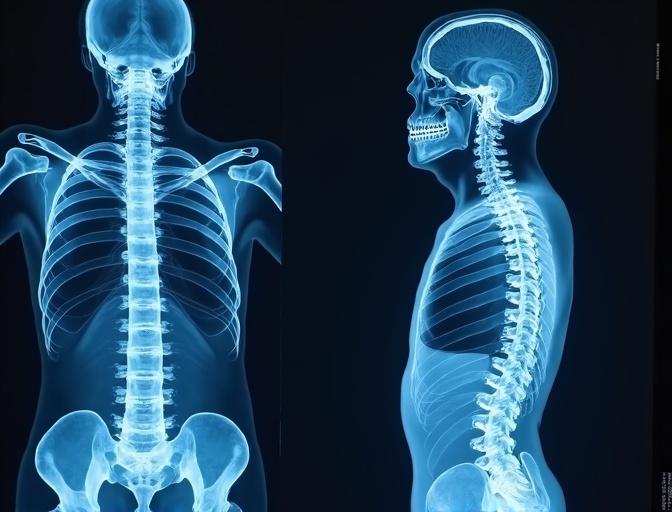
Spine Imaging 101: MRI vs CT (and When Each Is Best)
MRI is usually first-line for nerve compression and disc problems; CT excels at bone, fractures, and hardware—use the right test at the right time per ACR guidelines.