Cervical Disc Replacement vs ACDF: Motion, Recovery, and Long-Term Outcomes
A Fort Wayne Guide to Cervical Spine Surgery Options

Dr. Marc Greenberg
Fellowship-Trained Spine Surgeon
Dr. Greenberg completed advanced fellowship training at Mayo Clinic, Johns Hopkins, and Brown University. He specializes in minimally invasive and motion-preserving spine surgery, with a focus on evidence-based care and shared decision-making.
Understanding Your Options
When cervical disc disease causes persistent arm pain, numbness, or weakness, two main surgical options exist: cervical disc replacement (CDR) and anterior cervical discectomy and fusion (ACDF). Both effectively treat nerve compression, but they differ significantly in their approach to spinal motion.
The Procedures Explained
Cervical Disc Replacement
Removes the damaged disc and replaces it with an artificial disc designed to maintain natural neck motion.
- Preserves spinal motion
- May reduce adjacent level disease
- Faster return to activities
- No bone graft needed
ACDF (Fusion)
Removes the damaged disc and fuses the vertebrae together using a bone graft or cage, eliminating motion at that level.
- Time-tested, proven technique
- Excellent long-term outcomes
- Suitable for most conditions
- Lower revision rates
Why Choose Greenberg Spine?
Dr. Marc Greenberg brings fellowship-trained expertise in minimally invasive and motion-preserving spine surgery to Fort Wayne. Our evidence-based approach combines the latest surgical techniques with personalized patient care.
Motion Preservation: The Key Difference
Why Motion Matters
Cervical disc replacement maintains the natural movement of your neck, which may help prevent adjacent level disease—a condition where discs above or below a fusion develop problems over time.
With Motion Preservation:
- • Normal neck rotation and flexion
- • Reduced stress on adjacent levels
- • More natural biomechanics
- • Faster return to sports/activities
With Fusion:
- • Eliminated motion at treated level
- • Increased stress on adjacent discs
- • Potential for adjacent level disease
- • Permanent motion restriction
Recovery Timeline Comparison
| Recovery Milestone | Disc Replacement | ACDF |
|---|---|---|
| Hospital Stay | Same day or overnight | Overnight to 1-2 days |
| Collar Use | 1-2 weeks (comfort only) | 6-12 weeks (required) |
| Return to Work | 2-4 weeks | 4-6 weeks |
| Driving | 1-2 weeks | 2-6 weeks |
| Full Activities | 6-8 weeks | 3-6 months |
| Sports/Exercise | 8-12 weeks | 3-6 months |
Long-term Outcomes & Evidence
Clinical Studies Show:
- Similar pain relief and functional improvement
- Comparable patient satisfaction rates
- Both procedures highly effective for nerve compression
- 10+ year follow-up data available for both
Key Differences:
- CDR: Lower adjacent level disease rates
- ACDF: Lower revision surgery rates
- CDR: Maintained neck motion
- ACDF: More predictable outcomes
Who Is a Candidate?
Good Candidates for Disc Replacement:
- Single-level disc disease
- Healthy facet joints
- Good bone quality
- Age typically under 60
- Active lifestyle
- Normal neck alignment
- No significant arthritis
- Adequate disc height
ACDF May Be Better For:
- Multi-level disease
- Significant arthritis
- Spinal instability
- Previous neck surgery
- Kyphotic (reversed) alignment
- Osteoporosis
- Infection or tumor
- Facet joint disease
Risks & Considerations
Important Considerations
Both procedures carry similar surgical risks, but long-term considerations differ. Disc replacement may require future revision surgery, while fusion is generally permanent but may lead to adjacent level problems.
Disc Replacement Risks
- Device wear or failure (rare)
- Heterotopic ossification
- Potential for revision surgery
- Limited long-term data
ACDF Risks
- Adjacent level disease
- Pseudarthrosis (non-union)
- Permanent motion loss
- Graft-related complications
Making the Right Choice
The Decision Process
The choice between disc replacement and fusion depends on your specific anatomy, lifestyle, age, and goals. A thorough evaluation including imaging and physical examination helps determine the best option.
Medical Factors
Anatomy, bone quality, disc condition
Lifestyle Goals
Activity level, sports participation
Age & Longevity
Expected device lifespan, revision risk
Ready to Explore Your Options?
Schedule a consultation to determine which cervical spine procedure is best for your specific condition.
Related Information
Disclaimer: Information is educational, not medical advice. Outcomes vary. Individual results depend on many factors including age, health status, anatomy, and adherence to post-operative instructions. Always consult with a qualified spine surgeon for personalized medical advice.
Related Articles
Cervical Disc Replacement vs ACDF: A Surgeon's Comprehensive Guide
Compare motion preservation with disc replacement to traditional fusion—indications, recovery, risks, and candidacy.
Why Your Legs Hurt When You Walk: Neurogenic Claudication (Explained)
What neurogenic claudication is, how it differs from vascular claudication, and modern minimally invasive options.
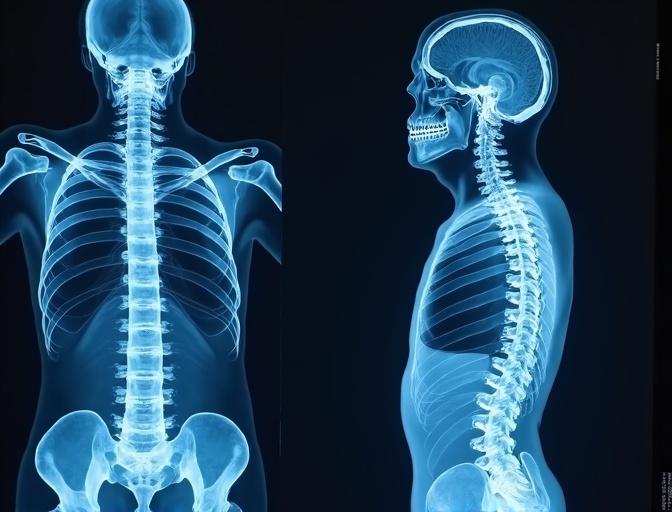
Spine Imaging 101: MRI vs CT (and When Each Is Best)
MRI is usually first-line for nerve compression and disc problems; CT excels at bone, fractures, and hardware—use the right test at the right time per ACR guidelines.